GLASS × PERCEPTION
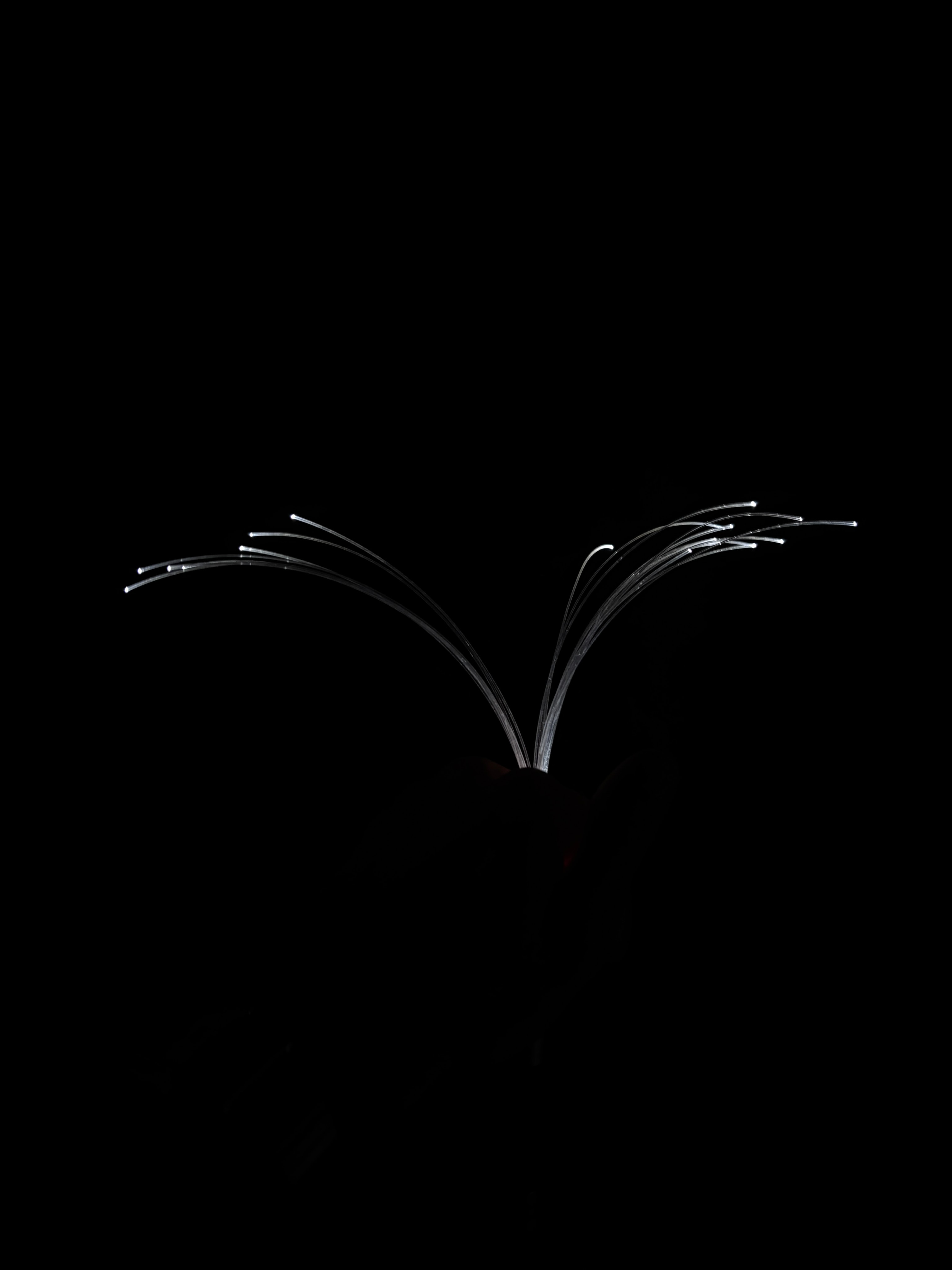
Seeing Through the Interface Glass: every message we send, every picture we swipe, every interaction we have with technology, passes through this material. AR lenses and optical computing are everyday objects. Glass is no longer just a window, it’s the backbone of connection between human and machine, yet we rarely understand it. Nearly 99% of global data travels through it. Beneath our oceans, millions of kilometres of fibre-optic cables pulse with light, transmitting the signals that carry our communication. Tech giants like Apple and Meta are investing billions in these glass-based interfaces.
Understanding glass means understanding the invisible systems that sustain our world. As datacenters heat oceans, as touchscreens mediate intimacy, and as vision becomes augmented, we must ask: what does transparency really mean?

GLASS × PERCEPTION explores this hidden world of light and information. How signal becomes sensation, and how infrastructure becomes interface. It’s a research-driven project that moves between material science, engineering, design, and perception. We invite you to research, document, and question the properties and potential of glass; not only as a material, but as a mediator of thought and touch. We aim to uncover how glass, as both substance and system, mediates the way we see, sense, and connect. From photonic transmission and electro-optical conversion to UX/UI of emerging interactions, we explore the continuum from physics to perception. This project is not about creating another screen, it’s about uncovering the invisible systems that light up behind it.

PHOTONICCHIPS
Could light be the key to faster, greener technology?
Is it possible that light will shape the technologies of tomorrow in ways we haven't imagined?
This year the Studio 7 project will focus deeper on the topic of photonic chips. Photonic chips use light to send information instead of electricity. This makes data transfer much faster, uses less energy, and produces less heat. As our digital lives continue to expand, these chips offer a glimpse of a future where technology may become more sustainable. Still in early stages, these chips are exciting for the future and open up many creative possibilities for digital innovation.
Traditionally, computer chips have relied on electricity to carry and process information. But as our demand for data processing continues to grow, a new question emerges:
Is using electricity still the best method?